

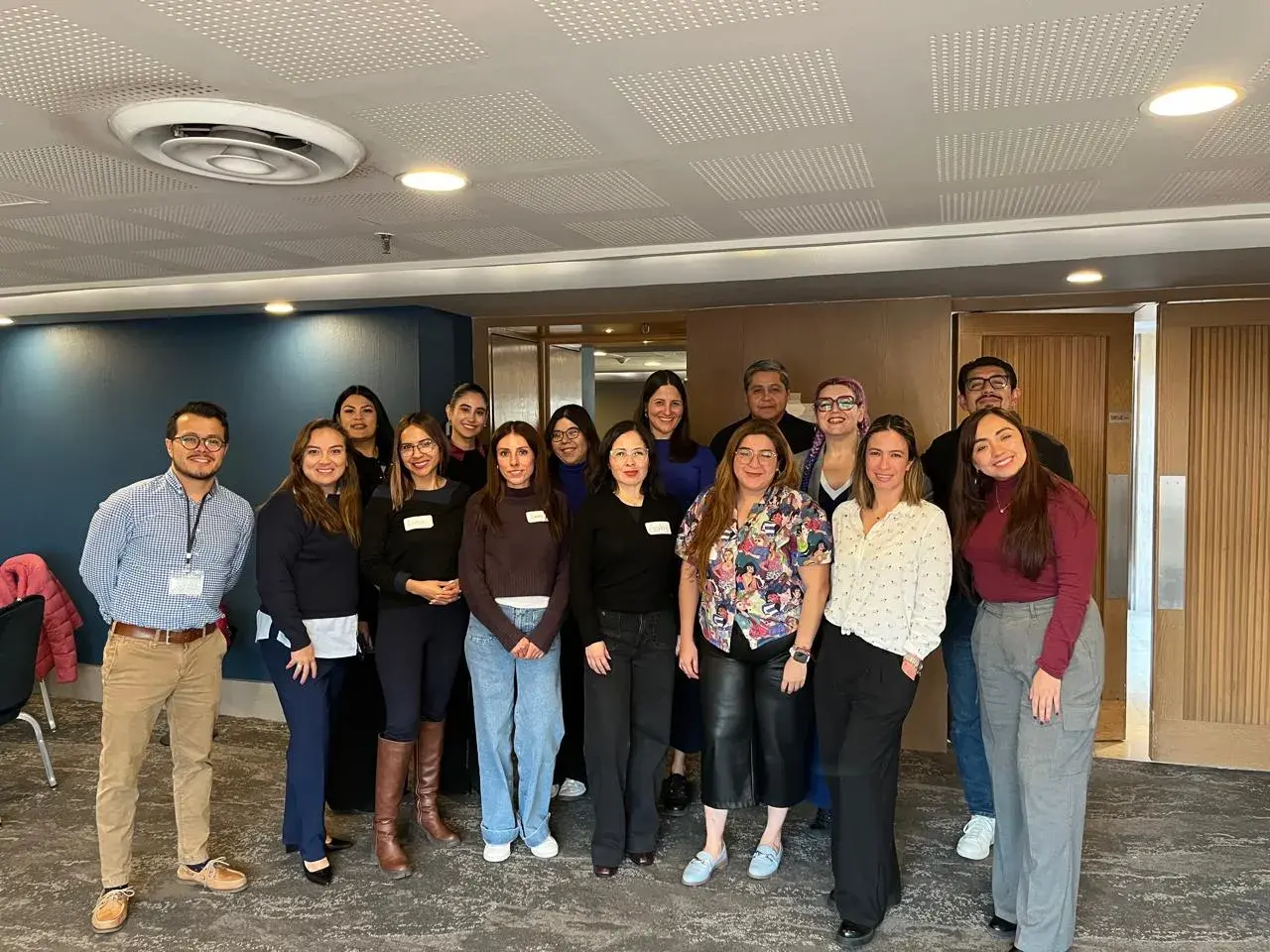
Institution: Mexico City
Date: November 11–13 2025
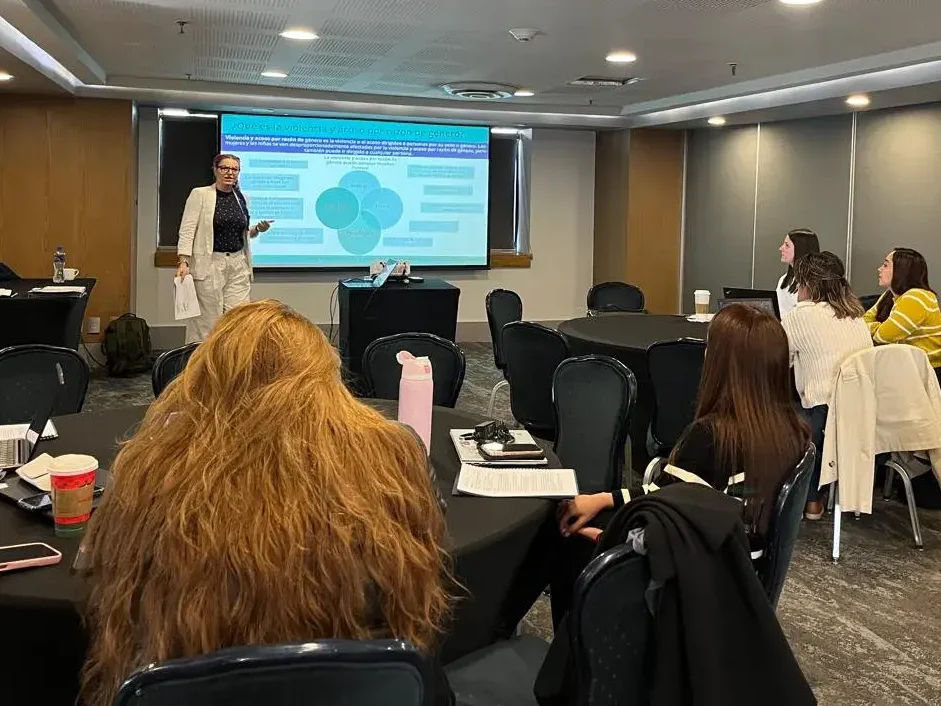
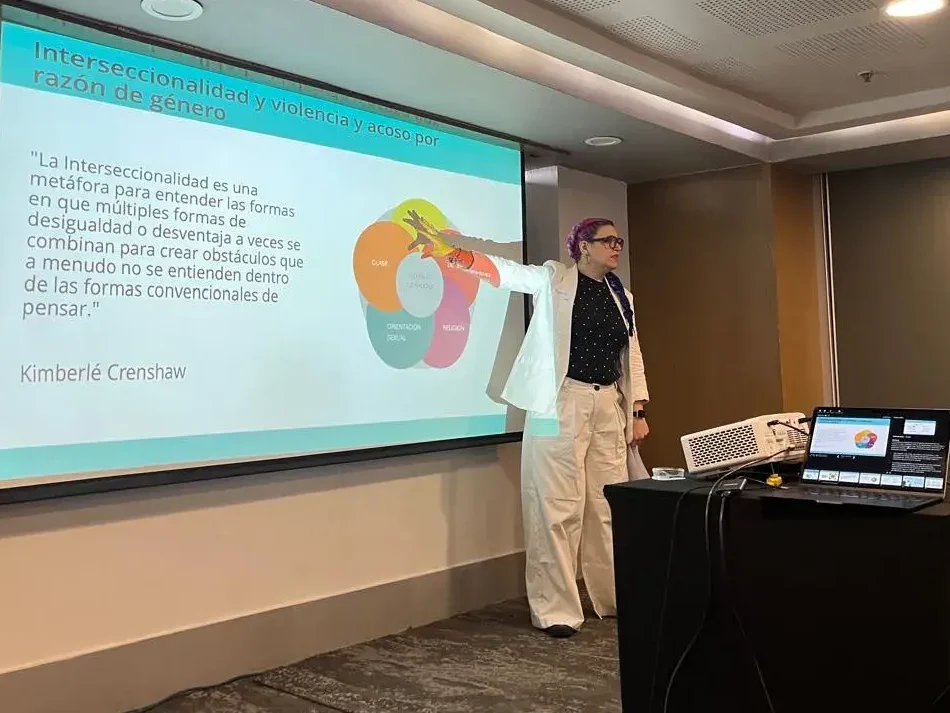
Gender-Based Violence and Harassment: Building Safer, More Respectful Environments
Creating environments where everyone feels safe, respected, and valued is a shared responsibility. Whether in educational institutions, workplaces, or community organizations, preventing gender-based violence and harassment requires more than policies, it demands awareness, education, and a commitment to fostering cultures of respect. The Training: “Gender-Based Violence and Harassment” is designed to equip participants with the knowledge and practical tools needed to recognize, prevent, and respond to these issues effectively.
Understanding Gender-Based Violence and Harassment
Gender-based violence and harassment encompass a wide range of behaviors that can cause physical, emotional, psychological, sexual, or economic harm. These behaviors are rooted in unequal power dynamics and harmful stereotypes that can affect people of all ages, backgrounds, and identities.
Recognizing these forms of violence is the first step toward preventing them. Many situations may go unnoticed or be normalized within organizations, making education essential to identifying inappropriate conduct and promoting respectful interactions.
Why Training Matters
Prevention begins with knowledge. Professional training provides participants with a clear understanding of what constitutes gender-based violence and harassment, how these behaviors can impact individuals and organizations, and what responsibilities institutions have in creating safe environments.
Through evidence-based learning and practical case discussions, participants gain greater confidence in recognizing warning signs, responding appropriately to concerns, and supporting a culture of accountability and inclusion.
Promoting Respectful Work and Learning Environments
Healthy organizations are built on trust, dignity, and mutual respect. Effective training encourages participants to reflect on everyday interactions, unconscious biases, communication styles, and workplace dynamics that may contribute to exclusion or discrimination.
Key areas of focus often include:
- Understanding different forms of gender-based violence and harassment.
- Recognizing inappropriate behaviors and their impact.
- Promoting respectful communication and professional conduct.
- Identifying reporting pathways and institutional responsibilities.
- Encouraging bystander awareness and collective responsibility.
- Supporting inclusive and equitable organizational cultures.
These tools empower individuals not only to respond when problems arise but also to contribute proactively to environments where inappropriate behavior is less likely to occur.
From Awareness to Action
Creating meaningful change requires moving beyond awareness toward everyday action. Policies and procedures are important, but they are most effective when accompanied by ongoing education, leadership commitment, and a workplace culture that prioritizes dignity and respect.
Training helps participants understand that preventing gender-based violence and harassment is not solely the responsibility of leadership or human resources—it is a shared commitment that involves every member of an organization.
Creating Cultures of Inclusion and Safety
Organizations that invest in education around gender-based violence and harassment strengthen not only compliance with legal and ethical standards but also employee well-being, collaboration, and trust. Safe environments encourage people to contribute fully, communicate openly, and feel confident that their concerns will be taken seriously.
The Training: “Gender-Based Violence and Harassment” provides practical knowledge that empowers professionals to recognize risks, promote respectful relationships, and become active contributors to safer, more inclusive workplaces and educational communities.
By fostering awareness, accountability, and empathy, organizations take an important step toward preventing violence before it occurs and creating environments where everyone has the opportunity to thrive.