
Institution: Banco de Formosa
Prevention and Commitment in Addressing Gender-Based Violence: Building Safer Communities Through Dialogue
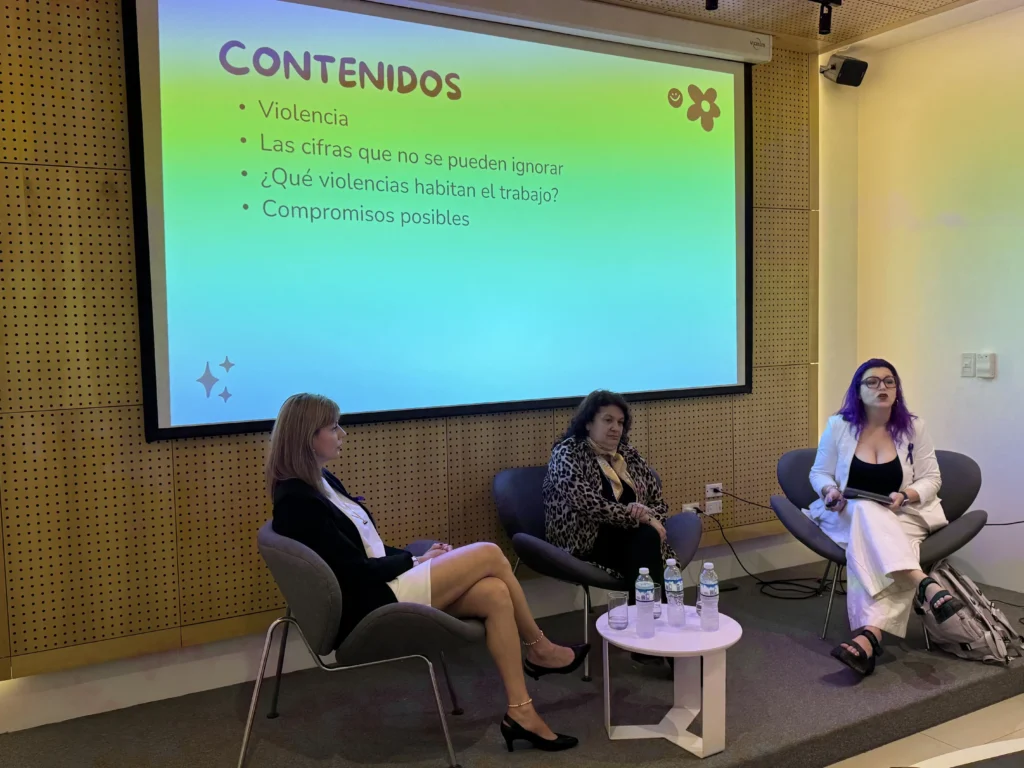
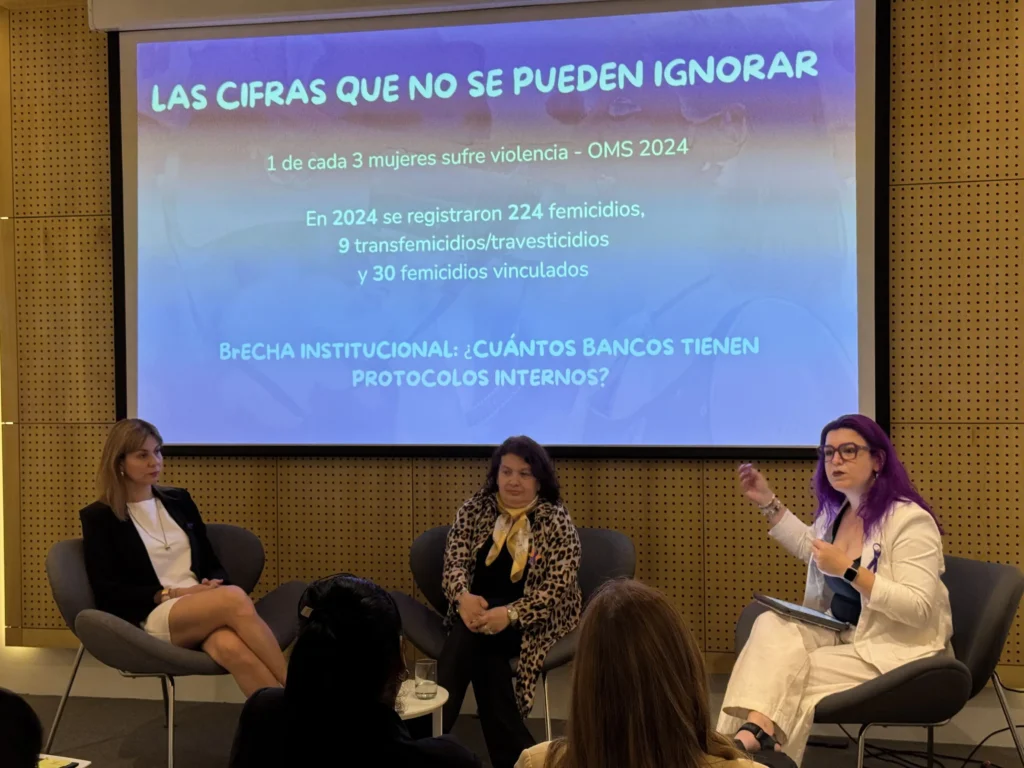
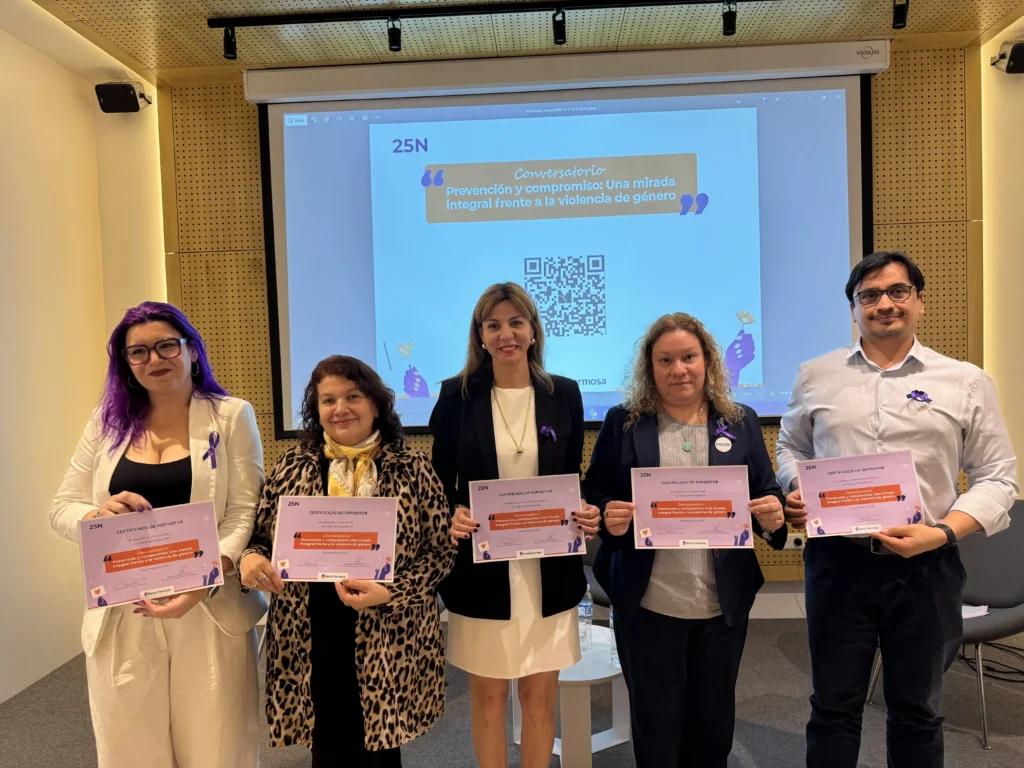
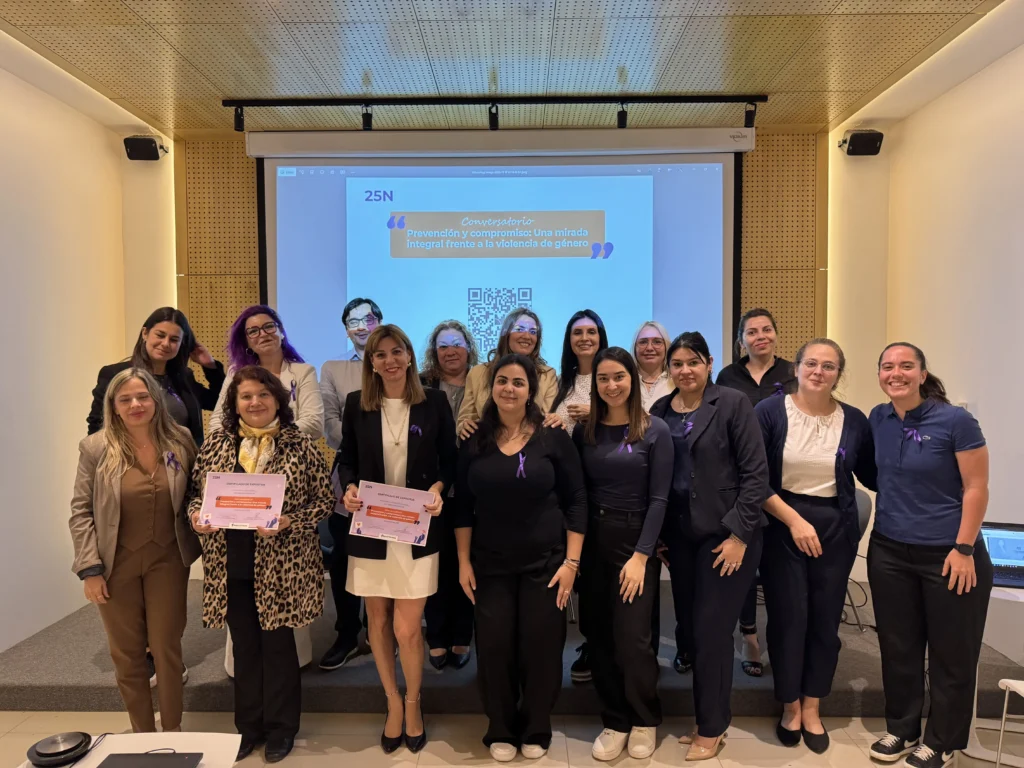
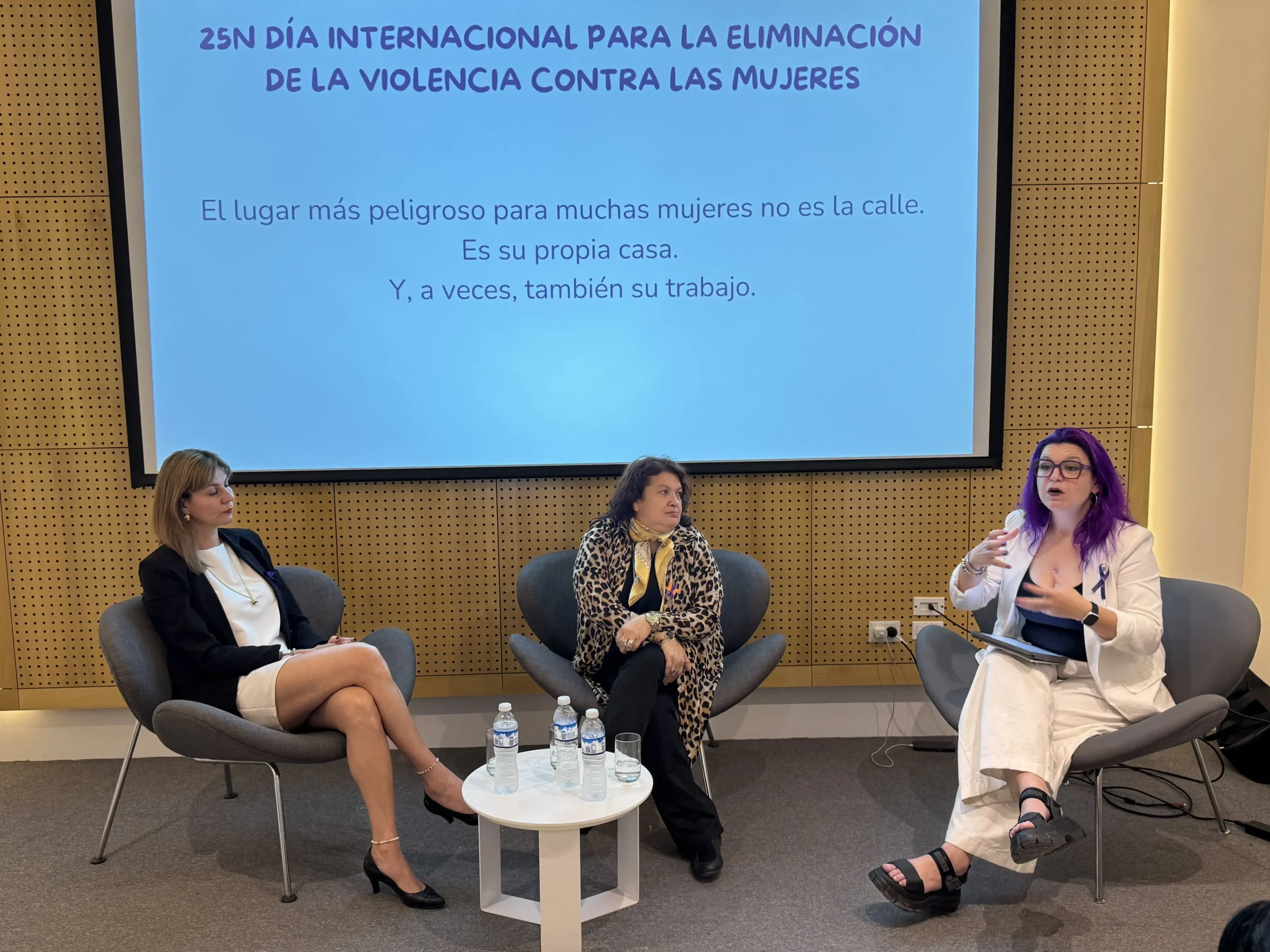
Gender-based violence is one of the most pressing social and human rights challenges of our time. Addressing it requires more than reactive measures—it demands prevention, education, collaboration, and a shared commitment from individuals, institutions, and communities. These are the guiding principles behind the Roundtable Discussion: “Prevention and Commitment in Addressing Gender-Based Violence.”
Bringing together professionals from diverse disciplines, the discussion creates a space to examine the root causes of gender-based violence, share evidence-informed strategies for prevention, and strengthen the collective responsibility needed to foster safer and more equitable environments.
Understanding Prevention Beyond Intervention
While responding effectively to incidents of violence is essential, long-term change begins with prevention. This means addressing the attitudes, stereotypes, and social norms that can contribute to discrimination, inequality, and abusive behaviors before they escalate.
Prevention involves promoting healthy relationships, encouraging respect for diversity, strengthening emotional education, and creating environments where every individual feels safe, valued, and heard.
By focusing on these foundations, communities can reduce risk factors while promoting cultures of equality and mutual respect.
The Importance of a Multidisciplinary Perspective
Preventing gender-based violence is not the responsibility of a single profession or institution. Educators, healthcare providers, legal professionals, psychologists, social workers, policymakers, and community leaders each play a critical role in identifying risks, supporting individuals, and promoting systemic change.
A roundtable format encourages dialogue across disciplines, allowing participants to exchange experiences, explore practical solutions, and develop a more comprehensive understanding of the challenges involved.
Collaboration strengthens prevention efforts by ensuring that responses are informed, coordinated, and centered on the needs and dignity of those affected.
Education as a Tool for Change
Education is one of the most effective ways to prevent violence. By fostering critical thinking, empathy, respectful communication, and awareness of rights from an early age, educational settings become powerful spaces for social transformation.
Open conversations about equality, consent, healthy relationships, emotional well-being, and respectful conflict resolution help build the skills necessary for creating safer communities.
These discussions also empower professionals to recognize warning signs, respond appropriately to concerns, and contribute to environments where people feel supported and protected.
A Shared Commitment
Addressing gender-based violence requires ongoing commitment rather than isolated actions. Policies, institutional practices, professional training, and community engagement all contribute to building systems that prioritize prevention and support.
Equally important is creating spaces where dialogue can occur with respect, evidence, and a willingness to learn from different perspectives. Meaningful progress depends on collaboration, accountability, and the recognition that preventing violence is a collective responsibility.
Moving Toward Safer and More Inclusive Communities
The Roundtable Discussion: “Prevention and Commitment in Addressing Gender-Based Violence” represents an opportunity to deepen understanding, strengthen professional practice, and reinforce the importance of working together to address one of society’s most complex challenges.
By promoting informed dialogue, interdisciplinary collaboration, and a culture of prevention, initiatives like this contribute to communities where dignity, equality, and safety are not aspirations but shared commitments.