
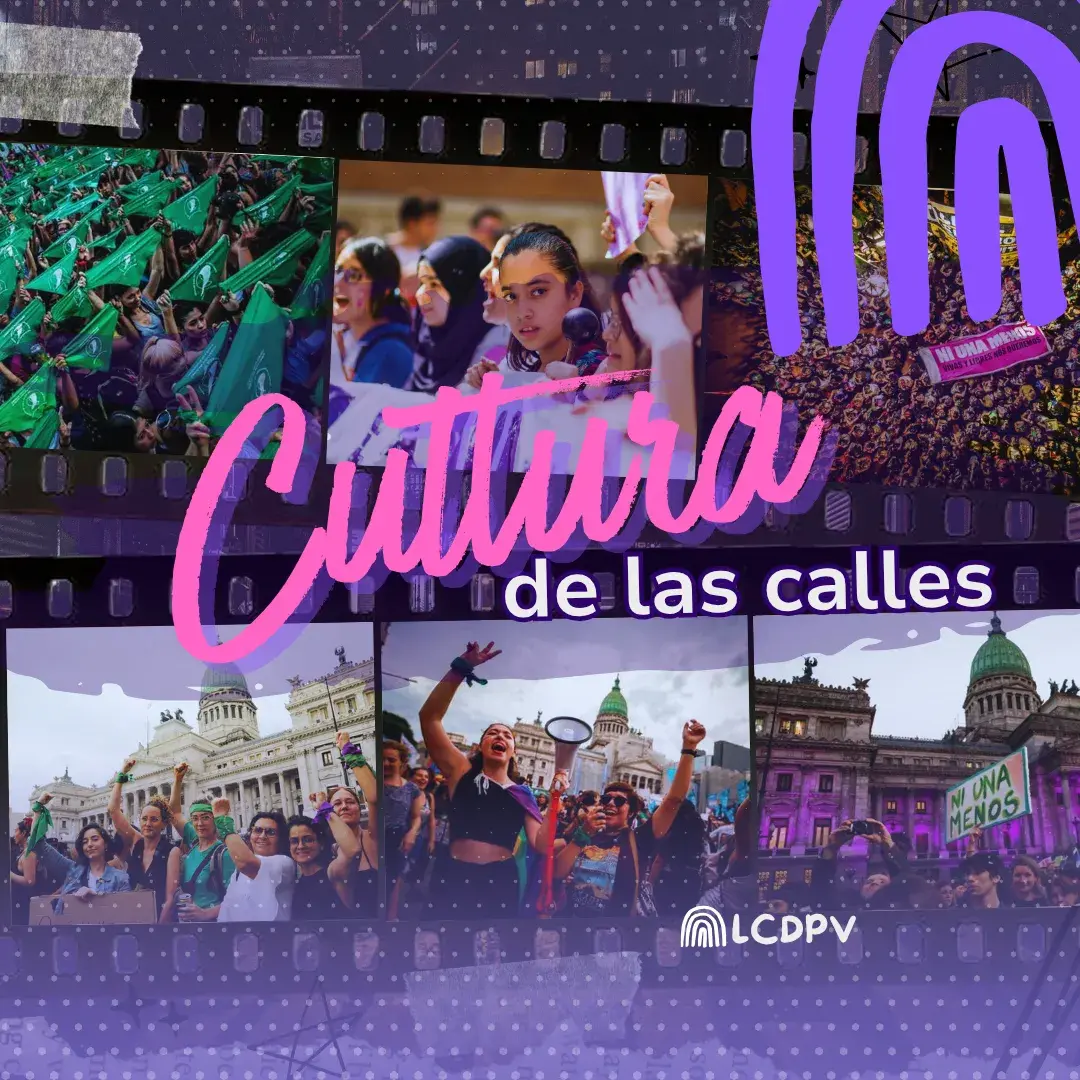
When analyzing the history of feminism, we can understand that in Argentina it is the history of women’s political participation in the streets. Since the early twentieth century, Argentine women have taken to the streets, initially to demand the removal of their civil inferiority and access to greater educational opportunities. By the mid-century, the movement initiated by socialist activist Alicia Moreau de Justo around the issue of suffrage occupied the streets and intensified with the figure of Eva Perón, ultimately leading to the enactment of the women’s right to vote in 1947.
Now, drawing on Karen Offen’s concept of Feminism of Difference which centers on the cultural singularities of women’s collectives and constitutes the hegemonic framework present in much of the Argentine feminist spectrum. I use this lens to include within this street culture the movement of the Mothers and Grandmothers of Plaza de Mayo. Beginning in 1976, under the country’s most brutal military dictatorship, they took to the streets with their heads covered by their children’s white diapers, demanding their safe return alive.